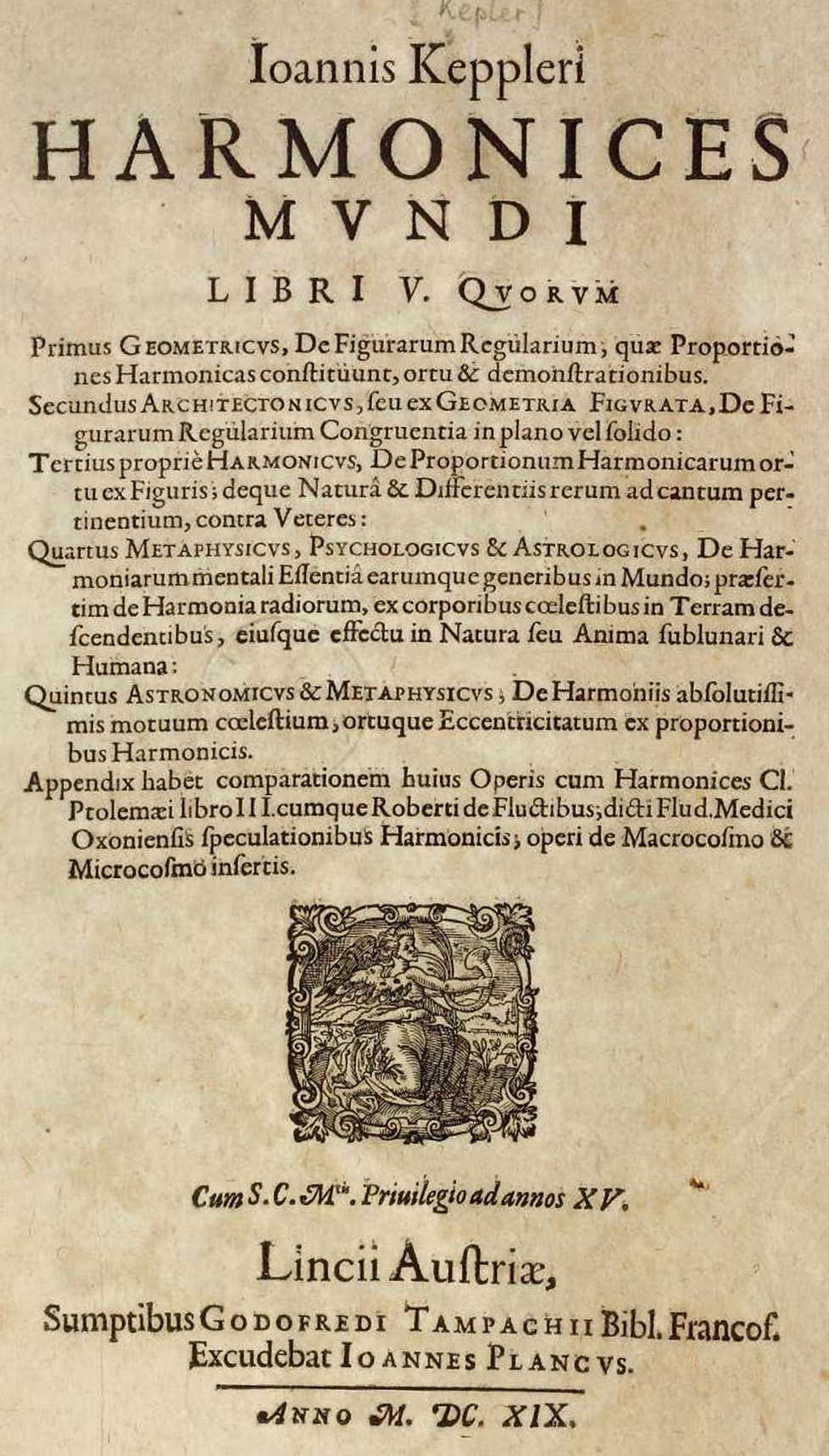
Ioannis Keppleri Harmonices Mvndi Libri V,
Lincii Austriae, Sumptibus Godofredi Tampachii Bibl. Francof. Excudebat Ioannes Plancvs,
MDCXIX
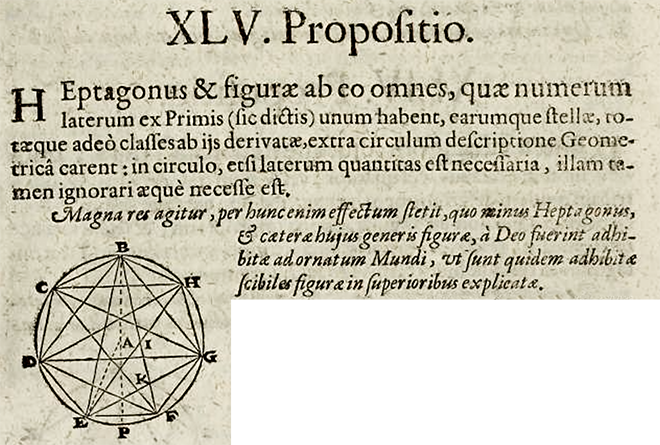

... So no Regular Heptagon (Septangulum) has ever been constructed
by anyone knowingly and deliberately, and working as proposed; nor
can it be constructed as proposed;
but it can well be constructed fortuitously; yet it is, all the same, [logically] necessary that it cannot be
known whether the figure has been constructed or no.
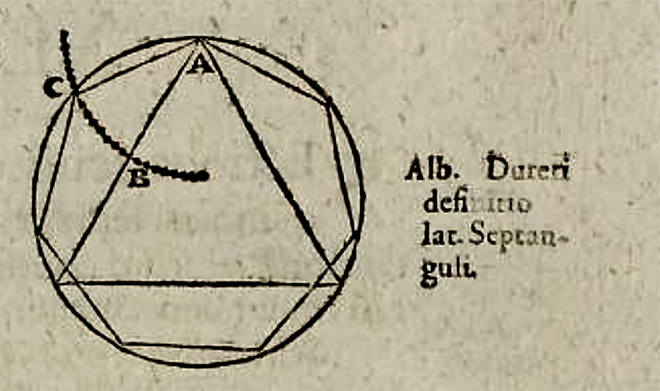
There are also other untrue propositions put forward by Geometers concerning the sides of figures like this, but which someone relatively experienced in the Mechanical [art] would reject though because they are Mechanical they are pressed on the young :
as when
Albrecht Dürer puts the side of the Heptagon,
AC, equal to half of AB, the side of the Trigon
drawn in the same circle. That this is in fact
considerably too short is apparent even from
Mechanics : however, lest anyone be misled by
a rather crude practical trial; he can recognize
its falsity even by this reasoning alone, without
any manual procedure. From the number of its
angles the side of the Trigon is proved to be
Expressible in square: therefore so is half of it.
The side of the Heptagon is not Expressible in square, precisely because it belongs to the Heptagon: and because seven is not six, nor five, nor three. For prime numbers give rise to sides of [particular] kinds; but these kinds [of line] are incommensurable with one another, and no one of them is the same as another
BOOK II
ON THE CONGRUENCE OF
HARMONIC FIGURES
THE HARMONY
OF THE WORLD
by
Johannes Kepler
Translated into English
with an Introduction and Notes by
E. J. AITON,
A. M. DUNCAN,
J. V. FIELD
Copyright © 1997 by the American
Philosophical Society
α
?
©